In Sri Lanka, agarwood encompasses both the indigenous Gyrinops walla (locally known as Walla Patta)—strictly protected in wild forests—and commercially cultivated Aquilaria plantations established on private agricultural lands. Supported by Sri Lanka's ideal tropical climate and sustainable inoculation technologies, ethical plantation forestry has positioned the island as an emerging global hub for legal, eco-friendly agarwood and pure artisanal oud distillation.
For centuries, the island of Sri Lanka—historically renowned as Ceylon, the spice jewel of the Indian Ocean—has occupied an esteemed place in the international trade of precious botanical commodities, from true cinnamon to single-origin teas.
In recent decades, Sri Lanka has entered an exciting new chapter: the responsible development of sustainable agarwood forestry. By blending ancestral agricultural wisdom with advanced inoculation science, the island is building an ethical agroforestry framework that reconciles ecological conservation with economic opportunity.
The Indigenous Jewel: Gyrinops walla (Walla Patta)
The story of agarwood in Sri Lanka cannot be told without Gyrinops walla. Belonging to the family Thymelaeaceae, this slender sub-canopy tree is indigenous to the low-country wet and intermediate zones of the island.
Historically, rural communities used the fibrous bark of Walla Patta for crafting durable ropes. However, when international fragrance researchers confirmed in the early 2000s that resinous infected Walla Patta produces an exquisite, resin-rich aromatic profile on par with legendary Southeast Asian Aquilaria, international interest surged.
Under the Fauna and Flora Protection Ordinance and Forest Conservation enactments of Sri Lanka, wild Gyrinops walla trees growing in natural forest reserves are strictly protected by law. Felling, damaging, or smuggling wild forest trees is a severe criminal offense. This strict enforcement has been essential in preserving Sri Lanka's delicate rainforest biodiversity.
The Transition to Managed Aquilaria Plantations
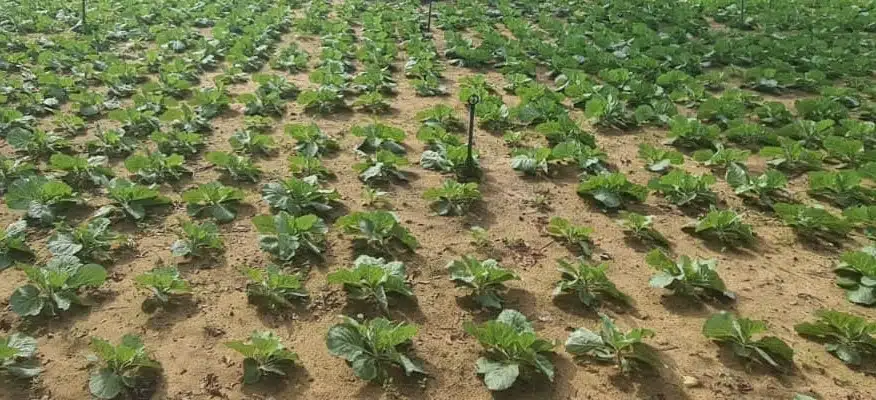
To fulfill surging commercial demand without endangering wild forest reserves, Sri Lankan agroforestry pioneers turned toward controlled plantation cultivation on registered private lands.
Growers introduced select, first-generation Aquilaria seedlines (such as Aquilaria crassna) from premier Southeast Asian breeding stocks. When planted in Sri Lanka's fertile soil, these trees exhibited exceptional adaptability:
- Optimal Monsoonal Conditions: Sri Lanka's dual monsoons provide regular precipitation, maintaining the soil moisture necessary for active vegetative cell expansion.
- Thermal Stability: Year-round warmth in the lowlands provides an uninterrupted growing season, allowing saplings to attain inoculation maturity in 5 to 7 years.
- Eco-Friendly Inoculation: By applying proven biological induction formulations—such as Nature's Treasure's Thailand Inoculation Technology—trees are stimulated to produce dense resin columns cleanly, without toxic chemical biocides.
| Aspect | Wild Forestry (Poaching) | Managed Plantation Agroforestry |
|---|---|---|
| Ecological Impact | Severe biodiversity loss; uninfected trees destroyed indiscriminately. | Contributes to reforestation, carbon sequestration, and soil conservation. |
| Legal Framework | Illegal under forestry protection ordinances; subject to criminal prosecution. | 100% legal; registered ownership certificates with full CITES export compliance. |
| Yield & Quality Control | Uncertain; often low resin or immature timber. | Predictable; controlled inoculation creates uniform, dense resin heartwood. |
| Local Economy | Benefits illicit smuggling syndicates. | Empowers local farmers, arborists, and distillation artisans. |
The Sensory Character of Sri Lankan Oud
Connoisseurs who have evaluated pure oud oil distilled from Sri Lankan-grown Aquilaria and Gyrinops note a distinct and captivating olfactory signature:
Often termed "Ceylon Oud," the profile typically opens with sparkling green, airy, and floral notes, transitioning into a rich heart of warm wild honey, dry cedarwood, and sweet resinous balsamic nuances, concluding with a serene, velvety woody-amber drydown. Unlike heavily fermented profiles from traditional long-soaked wood, Sri Lankan artisanal distillations celebrate pristine clarity and crystalline sweetness.
To learn how these oils are extracted, explore our overview of how oud oil is made or discover our Royal Ceylon Pure Oud Oil.
A Model for Sustainable Green Investment
The expansion of agarwood plantations has introduced an innovative model for sustainable private agricultural participation in Sri Lanka:
Through managed tree programs, individuals can participate directly in plantation ownership. Trees are planted on professionally managed land, geotagged, nurtured under expert silvicultural protocols, inoculated at maturity, and harvested on the owner's behalf.
This model creates genuine ecological value—reforesting agricultural lands and generating green canopy cover—while providing transparent commercial returns when harvested heartwood is processed for international export.
Calculate Your Plantation Potential
Explore projected financial estimates for owning managed Agarwood trees with our interactive calculator.
Frequently Asked Questions About Sri Lankan Agarwood
Walla Patta (Gyrinops walla) is a tree species native to Sri Lanka's wet and intermediate zones belonging to the Thymelaeaceae family. Like Aquilaria, it produces high-grade agarwood resin when injured or infected. Due to historical overexploitation, wild Walla Patta is strictly protected by the Sri Lankan Department of Forest Conservation.
Yes, commercial cultivation of agarwood trees (such as Aquilaria species and certified private Gyrinops plantations) is entirely legal on private agricultural land in Sri Lanka under regulatory oversight. Commercial growers register their plantations with the relevant authorities to ensure lawful management, harvesting, and export.
Sri Lanka's tropical climate provides year-round warm temperatures, abundant monsoonal rainfall, high humidity, and rich loamy soil conditions that closely mirror the native rainforest habitats of Aquilaria trees, promoting steady vegetative growth and vigorous natural resin synthesis.
By providing a sustainable, commercially viable supply of legal plantation agarwood, managed forestry satisfies international perfume and incense demand without incentivizing illegal poaching in natural reserves such as the Sinharaja World Heritage rainforest.